How Modern Florists Are Reinventing Classic Floral Traditions
Flowers have always carried meaning. From royal ceremonies and romantic gestures to family celebrations and quiet moments of remembrance, floral arrangements have been woven into human culture for centuries. Yet today’s florists are doing something remarkable: they are preserving the elegance of traditional floral artistry while boldly reshaping it for a modern audience.
Classic floral traditions were built on structure, symbolism, and balance. Victorian bouquets carefully communicated emotions through the “language of flowers,” while European floral design emphasized symmetry and refined compositions. Roses symbolized devotion, lilies represented purity, and carnations carried messages of admiration and affection. These timeless principles still influence floral design today, but modern florists are no longer confined by strict rules.
Contemporary floral artists are blending old-world charm with fresh creativity. Instead of perfectly symmetrical arrangements, many now embrace asymmetry, movement, and texture. Traditional blooms such as roses, peonies, orchids, and hydrangeas are paired with unexpected elements like dried grasses, tropical foliage, berries, or even minimalist branches. The result is a style that feels both nostalgic and innovative.
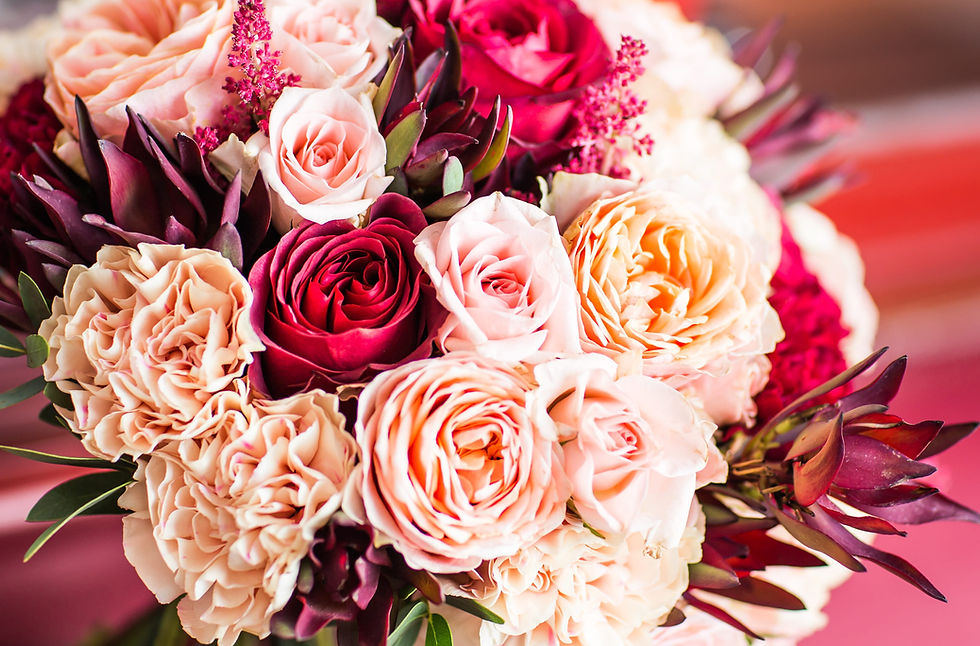
Color palettes have also evolved dramatically. While classic floral arrangements often relied on soft whites, reds, and pastel tones, modern florists experiment with earthy neutrals, bold monochromes, and unexpected color contrasts. Deep terracotta paired with blush pink, or muted sage combined with vibrant orange, creates arrangements that feel artistic and contemporary while still honoring floral heritage.
Sustainability has become another defining feature of modern floral design. Many florists now prioritize locally sourced flowers, seasonal arrangements, and eco-friendly packaging. This return to nature reflects older traditions when flowers were gathered from nearby gardens and fields rather than imported year-round. In many ways, modern sustainability reconnects floristry with its roots.
Social media has further transformed the industry. Platforms like Instagram and Pinterest encourage florists to push creative boundaries and develop signature aesthetics. Today’s customers are drawn to arrangements that feel personal, expressive, and visually memorable. Whether it’s a minimalist wedding bouquet or a dramatic floral installation for an event, modern floristry has become both an art form and a storytelling medium.
What makes this evolution so fascinating is that tradition has not disappeared—it has adapted. The emotional symbolism of flowers remains as powerful as ever, but today’s florists present it through a more modern lens. By combining heritage techniques with contemporary design, they create arrangements that honor the past while capturing the spirit of the present.


Comments